
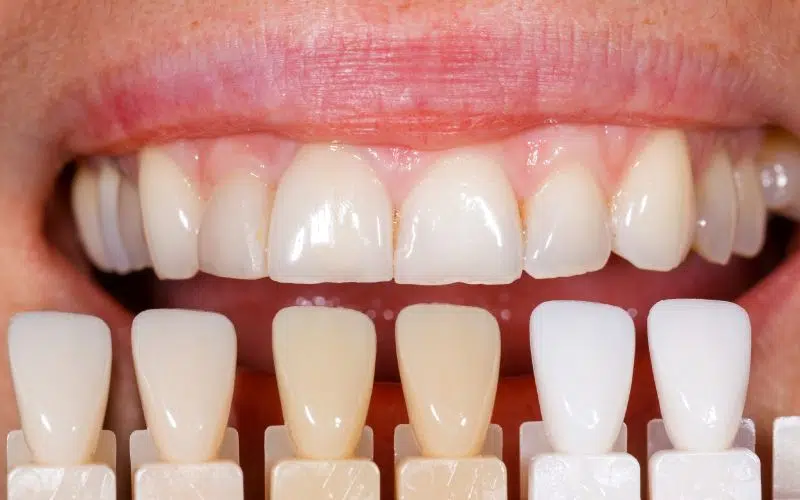
The Modern Smile Transformation Revolution
The landscape of cosmetic dentistry has undergone remarkable transformations in recent years, with veneers Balwyn emerging as one of the most sophisticated solutions for smile enhancement. These wafer-thin shells of porcelain or composite material have evolved far beyond simple aesthetic improvements, incorporating cutting-edge technologies and innovative approaches that address both functional and cosmetic concerns.
Contemporary dental practices are witnessing unprecedented demand for veneer treatments, as patients increasingly seek comprehensive solutions that combine natural-looking results with long-lasting durability. The integration of advanced materials science and precision manufacturing has elevated veneers from basic cosmetic overlays to sophisticated dental restorations that can address multiple oral health challenges simultaneously.
Technological Advancements Driving Innovation
The development of computer-aided design and manufacturing (CAD/CAM) systems has fundamentally changed how veneers are created and fitted. These digital technologies enable dental professionals to capture precise measurements and create custom-fitted veneers with remarkable accuracy. The process begins with detailed digital impressions that eliminate the discomfort associated with traditional moulding techniques.
Three-dimensional imaging technology allows practitioners to visualise the final result before treatment begins, enabling patients to preview their transformed smile and make informed decisions about their treatment. This technological integration has significantly reduced treatment times whilst improving the precision of veneer placement and overall patient satisfaction.
Material Science Breakthroughs
Recent innovations in porcelain formulations have produced materials that closely mimic the optical properties of natural tooth enamel. These advanced ceramics exhibit enhanced translucency and light-reflecting characteristics that create incredibly lifelike appearances. The development of ultra-thin veneers, some measuring less than 0.3 millimetres thick, has made it possible to achieve dramatic smile transformations with minimal tooth preparation.
Composite resin veneers have also benefited from material improvements, with new formulations offering increased durability and stain resistance. These materials can be applied directly in the dental surgery, allowing for same-day smile transformations that would have previously required multiple appointments.
Functional Benefits Beyond Aesthetics
Modern veneers address numerous functional concerns whilst enhancing smile aesthetics. Patients experiencing tooth sensitivity often find relief through veneer treatment, as these restorations provide an additional protective layer over the natural tooth surface. This protective function can be particularly beneficial for individuals with worn enamel or exposed dentine.
The scientific principles behind porcelain veneer design have advanced considerably, with practitioners now able to correct minor bite irregularities and improve overall oral function through strategic veneer placement.
Personalised Treatment Approaches
Contemporary veneer treatment emphasises individualised care, with dental professionals considering factors such as facial structure, lip position, and existing bite patterns when designing treatment plans. This personalised approach ensures that veneers complement the patient’s natural features whilst addressing specific functional requirements.
Digital smile design software enables practitioners to analyse facial proportions and create veneer shapes that harmonise with the patient’s unique characteristics. This technology considers the golden ratio principles of facial aesthetics whilst maintaining the natural variation that prevents artificial-looking results.
Durability and Longevity Improvements
Modern bonding techniques have significantly enhanced the longevity of veneer restorations. Advanced adhesive systems create stronger bonds between the veneer and natural tooth structure, reducing the likelihood of debonding or chipping. These improvements mean that properly maintained veneers can provide decades of reliable service.
The development of minimally invasive preparation techniques has also contributed to improved outcomes. Many patients can now receive veneers with little to no tooth reduction, preserving the natural tooth structure and maintaining long-term oral health. This conservative approach has made veneer treatment accessible to a broader range of patients who previously may not have been suitable candidates.
Research into cutting-edge porcelain veneer innovations continues to drive improvements in treatment outcomes and patient satisfaction rates.
Integration with Digital Dentistry
The seamless integration of digital workflows has streamlined the veneer treatment process considerably. From initial consultation through to final placement, digital technologies enhance precision and reduce treatment time. Intraoral scanners capture detailed tooth anatomy, whilst computer modelling predicts how veneers will function within the patient’s bite pattern.
This technological approach has made veneer treatments more predictable and comfortable for patients. The ability to visualise treatment outcomes before beginning work has improved communication between patients and dental professionals, leading to higher satisfaction rates and more successful treatments.
Practices offering veneers Balwyn residents trust exemplify how modern dental care combines technological innovation with personalised treatment approaches. The intersection of advanced dental technology and aesthetic principles continues to expand treatment possibilities for patients seeking comprehensive smile enhancement.
The Future of Smile Enhancement
As dental technology continues advancing, veneers represent a sophisticated blend of artistry and science. These innovations ensure that patients can achieve beautiful, functional smiles that enhance both confidence and oral health for years to come.
Any surgical or invasive procedure carries risks. Before proceeding you should seek a second opinion from an appropriately qualified health practitioner.